


Resistors are an essential component in electrical circuits that limit the flow of electrical current. They are commonly used in a variety of devices, such as LEDs, speakers, and microphones. But how do they work, and what do they have to do with garden hoses? In this blog post, we’ll explore the world of resistors and explain their function using an analogy to garden hoses.
What is a resistor?
Before we dive into the analogy, let’s first define what a resistor is. A resistor is a component in an electrical circuit that resists the flow of electrical current. It does this by converting electrical energy into heat, which dissipates into the surrounding environment. Manufacturers typically make resistors from materials like carbon, metal, or wire that are wound into a specific shape, and they rate them according to their resistance value, which is measured in ohms.
How do resistors work?
Resistors work according to Ohm’s law, which states that the electrical current flowing through a conductor is directly proportional to the voltage applied across it and inversely proportional to the resistance of the conductor. In other words, the greater the resistance of the resistor, the less electrical current flows through it.
But how do resistors limit the flow of electrical current? To understand this, let’s turn to our analogy to garden hoses ⬇️
Analogy: The Garden Hose
Think of a resistor like a garden hose. When you turn on the tap, water flows out of the hose and into your garden. However, if you kink or squeeze the hose tightly, it restricts the flow of water, and less water reaches the end of the hose.
Similarly, resistors restrict the flow of electrical current in an electrical circuit. The resistance of the resistor acts like a kink in the hose, limiting the amount of current that can flow through it. The more resistance a resistor has, the more it limits the current flow, similar to how squeezing the hose tighter reduces the water flow.
Factors that affect the resistance of a resistor
Just like a garden hose, the resistance of a resistor is affected by several factors:
Practical Applications of Resistors
Now that we understand how resistors work, let’s take a look at some practical applications of resistors in electronic circuits.
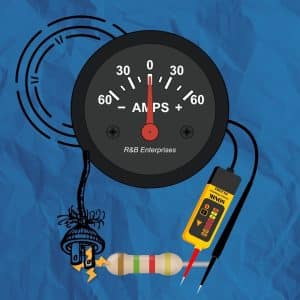
Current Limiting
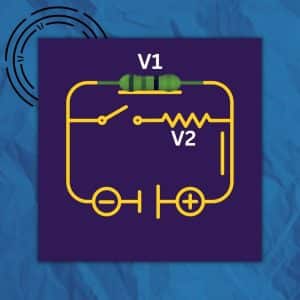
Voltage Division Circuits

Signal Attenuation
Devices That Use Resistors
Finally, let’s take a look at some common devices that use resistors.
Conclusion
Understanding the function of resistors is essential for anyone working with electronics, whether it's a hobbyist building a circuit at home or a professional designing a complex electronic system. By understanding how resistors work and their practical applications, we can design more efficient and effective electronic devices that meet our needs. And who knows, maybe next time you're watering your garden, you'll have a new appreciation for the resistors in your electronics!


