


Artificial Intelligence (AI) is transforming industries globally, and the electronics sector is no exception. With advancements in AI-driven technologies, the electronics industry is experiencing unprecedented innovation and efficiency. Here’s how AI is making a significant impact:
Key Ways AI is Changing the Electronics Industry
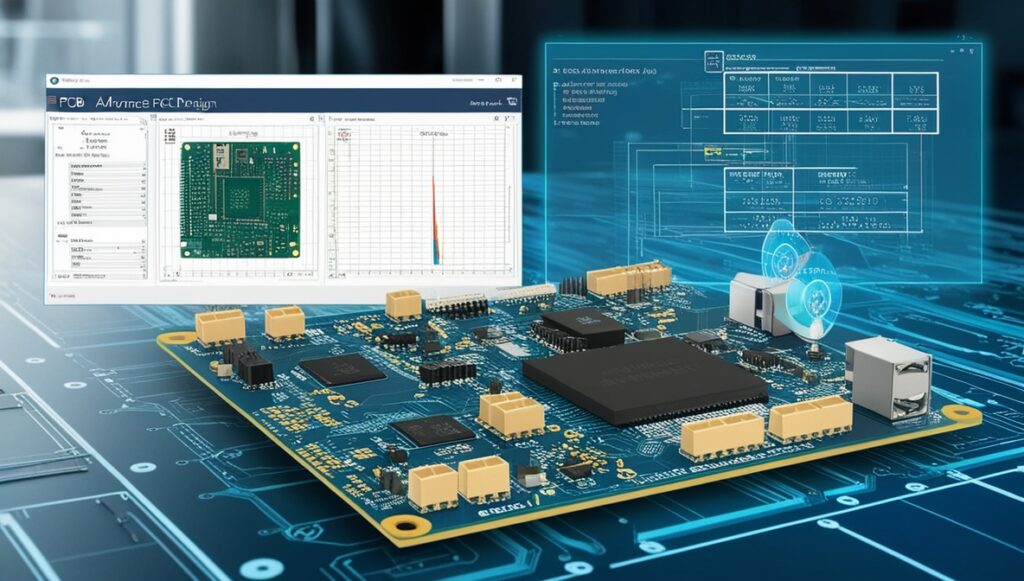
- AI in PCB Design:
- Simplifies complex PCB design processes by analyzing patterns and optimizing layouts.
- Reduces human errors and ensures high-quality outputs.
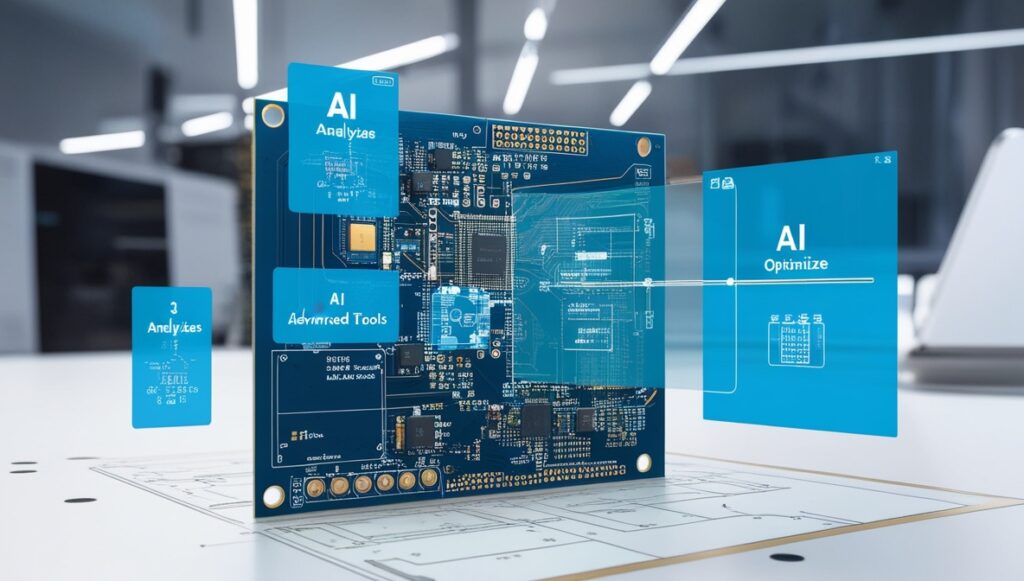
- AI in PCB Testing:
- Detects faults and predicts failures with remarkable accuracy.
- Analyzes test data, enabling proactive maintenance and improving reliability.
- AI in Manufacturing:
- Enhances production lines by automating repetitive tasks.
- Improves product quality through AI-driven quality control systems.
Real-World Applications of AI
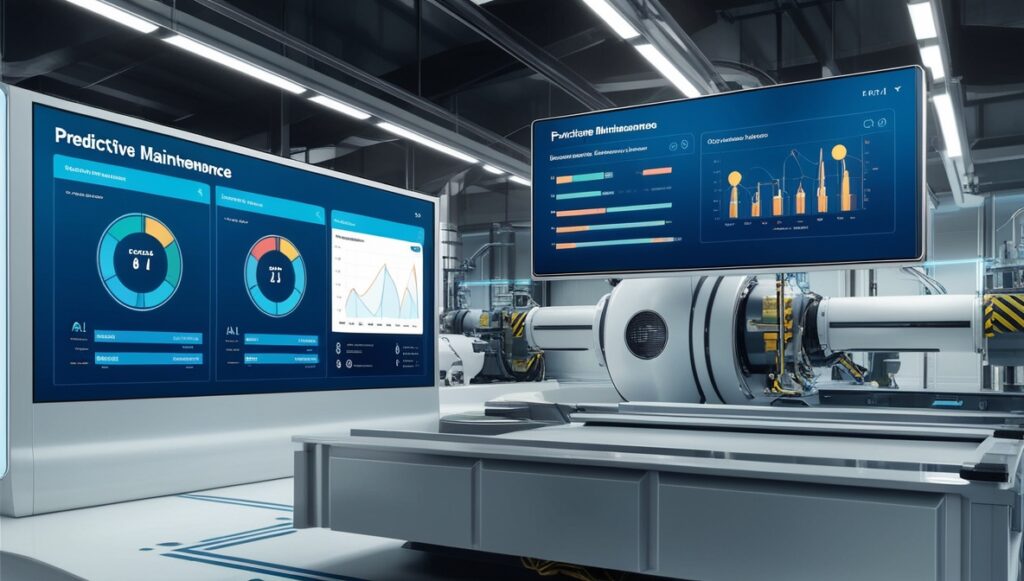
- Predictive Maintenance:
- Electronics manufacturers use AI to predict equipment failures, reducing downtime and improving efficiency.
- This proactive approach minimizes disruptions and extends machinery lifespan.
- Supply Chain Optimization:
- AI-driven analytics ensure timely delivery of components and lower operational costs.
- It enables better inventory management and reduces waste by predicting demand patterns.
- Wearable Devices:
- Startups utilize AI to enhance performance and power efficiency in wearables, revolutionizing consumer electronics.
- AI also enables advanced features like real-time health monitoring and adaptive user interfaces.
The Future of AI in Electronics

- Further Automation:
- As AI evolves, it will automate more manufacturing processes, enhancing productivity.
- Robotics and AI will work together to build smarter and faster production systems.
- Smarter Devices:
- AI will enable the creation of more intelligent and efficient electronic devices, such as IoT-enabled systems.
- Devices will adapt to user behavior, improving functionality and user experience.
- Sustainable Practices:
- Integration of AI in production can lead to more environmentally friendly manufacturing.
- AI will help optimize energy use and reduce material waste, supporting sustainability goals.
Conclusion
AI is revolutionizing the electronics industry by:
- Streamlining PCB design and testing.
- Enhancing manufacturing processes and product quality.
- Enabling predictive maintenance and smarter devices.
- Driving sustainable and cost-effective practices.
As this technology matures, its influence will grow, driving the electronics sector toward greater innovation and efficiency. The future of AI in the electronics industry is bright, promising smarter and greener solutions for all.
Reference: Applications of AI in Electronics


